

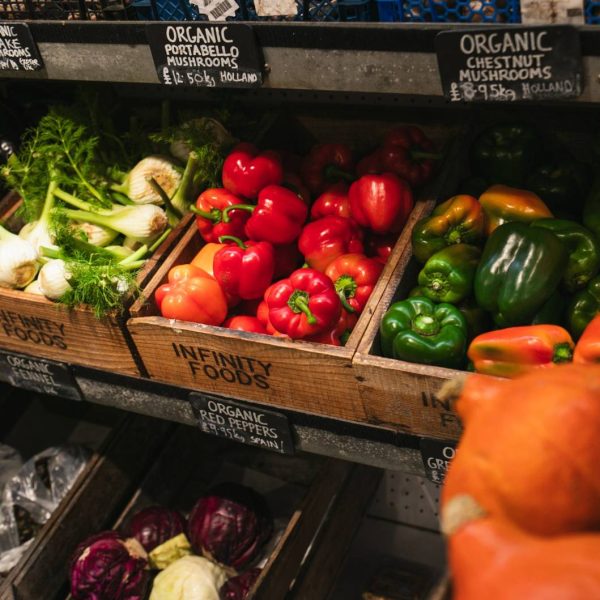
Back during the financial crash of the late 2000s, when household budgets were feeling the squeeze, one of the first things many people cut was their organic veg box.
Fast forward to today and the story looks very different. Even with the cost-of-living crisis still rumbling on, organic food is quietly enjoying its biggest boom in two decades.
People are thinking more carefully about what they eat — where it comes from, how it’s grown, and who’s behind it. And more and more shoppers are choosing organic, not as a luxury, but as a simple way to eat better.
So why the shift?
In short: trust.
People want food they feel good about feeding their families. Food grown without harmful pesticides or artificial fertilisers. Food that respects the land and the farmers who care for it.
Across the UK, the organic food and drink market grew by almost 8% last year. And importantly, it’s not just prices going up – people are actually buying more of it too.
Everyday Organic
Interestingly, the biggest regular buyers aren’t just the traditional organic crowd.
Yes, retirees and older households still spend the most overall. But it’s middle-income families who are reaching for organic most often – filling their baskets with everyday staples like fruit, veg, pasta, rice and tinned goods.
Not fancy treats. Just good, honest food.
That’s something we’ve seen ourselves over the years. Since 1971 we’ve been chipping away at change – offering healthy, well-grown food that doesn’t cut corners on people or the planet.
The hairstyles and trousers were different back then, but the idea has stayed the same: better food, grown the right way.
A New Generation Choosing Organic
Another big reason for the organic boom? Younger shoppers.
Research suggests around 42% of 18- to 24-year-olds buy organic at least once a month. Making them far more likely to choose organic fruit and veg than the generations before them.
It makes sense. This is a generation that grew up hearing about climate change, soil health, biodiversity, and the impact our food system has on the planet.
And when faced with ultra-processed foods and complicated ingredient lists, many are choosing to be rooted in goodness: simple, natural ingredients they recognise.
Good milk. Proper bread. Fresh vegetables. Real food.
Old’s cool after all.
Why Organic Costs More (And Why It Matters)
Of course, organic farming often costs more. Growing food without synthetic chemicals takes time, skill, and care for the soil.
But what you’re paying for is a food system that works with nature rather than against it. Healthier soil. More wildlife. Farmers paid fairly for doing things the right way.
And increasingly, retailers are helping make organic more accessible. With promotions and the Community Card bringing everyday items like apples, carrots and pantry staples closer to conventional prices.
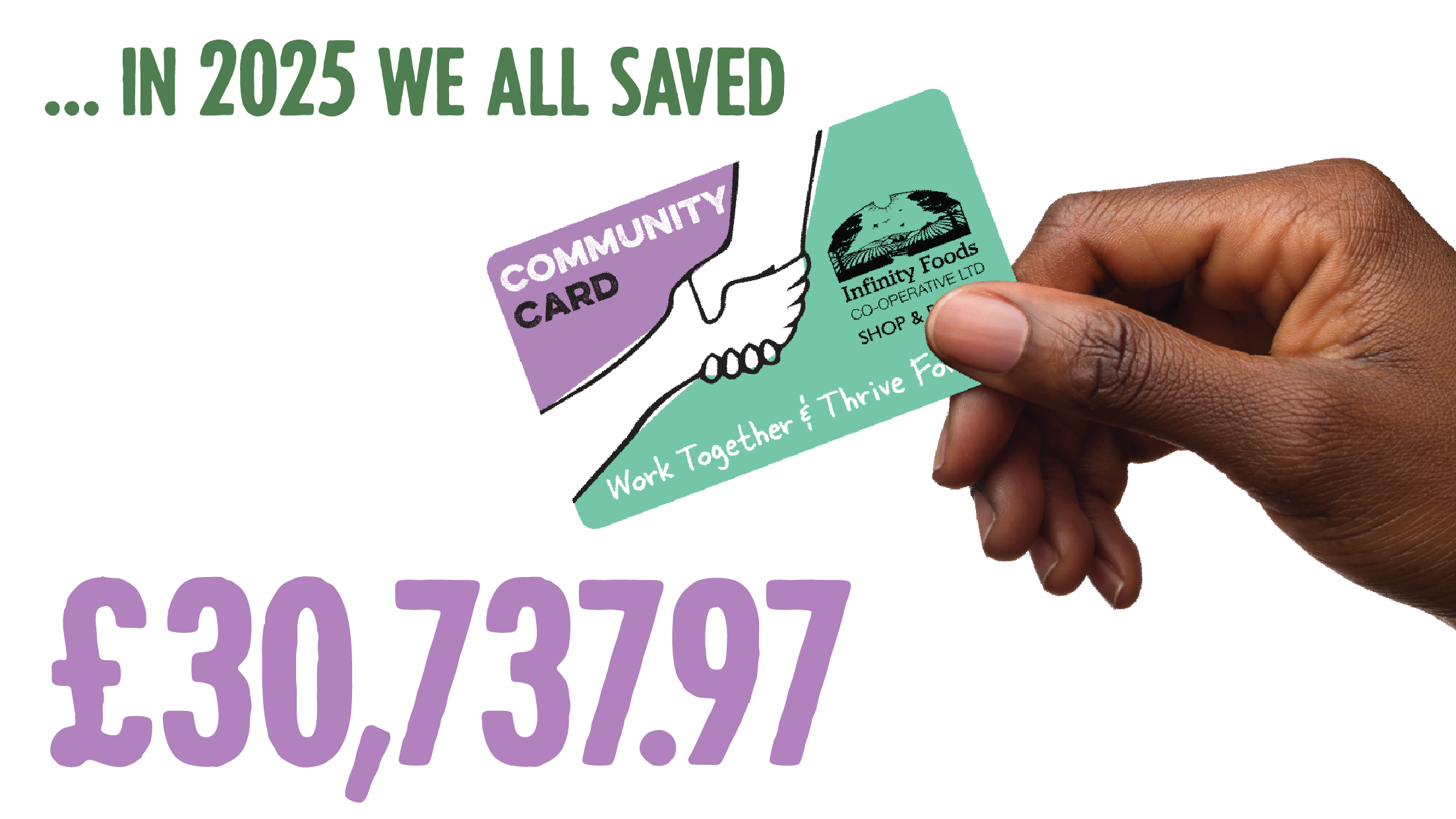
Because the quality of the food on your plate shouldn’t be dictated by the number of pounds in your pocket.
The Bigger Picture
For us, this moment feels less like a trend and more like a return to common sense.
People want food they can trust. Food that tastes good. Food grown with care.
The organic boom might be making headlines now. But for us, it’s just the world slowly catching up.
And we’re glad you’re here for it.
there’s a better way to eat.