

Organic isn’t a trend. It’s where we started.
For more than 55 years, we’ve believed that good food starts with good farming. Farming that works with nature, looks after the soil, supports biodiversity and treats animals well.
That’s why organic sits at the heart of what we do.
And with the rules around genetic technology changing in England, we think it’s worth talking about what organic really means. And why we’re sticking with it!
Organic means more than what’s not in your food
Organic farming is a whole way of doing things.
It means working with healthy soils. Supporting wildlife and biodiversity. Using farming methods that reduce reliance on synthetic pesticides and fertilisers. Looking after animals to higher welfare standards.
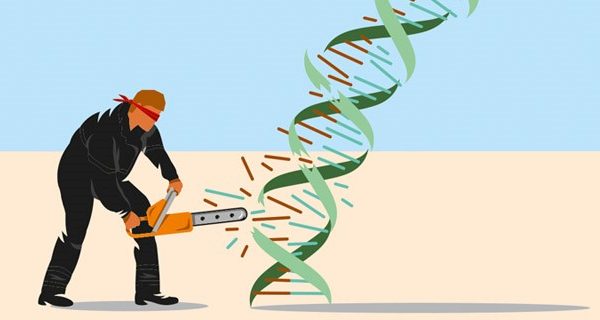
And importantly, organic standards exclude genetic engineering.
That includes the newer gene-editing technologies now being described in UK law as “precision breeding”.
The Soil Association is clear: organic standards continue to exclude all forms of genetic engineering, including gene editing. So certified organic food remains free from GMOs and PBOs (precision-bred organisms).
That hasn’t changed. And neither has our commitment to organic.
But the rules around us have changed
In the UK, new legislation has created a different regulatory route for some genetically engineered plants and animals.
The Government calls these Precision Bred Organisms, or PBOs.
The rules are very different from the ones that applied to GMOs while the UK was part of the EU. Some gene-edited organisms can now be brought to market under this new framework.
There’s one thing that’s particularly important to us.
There is no requirement for precision-bred food to be labelled as such.
There are also no mandatory measures requiring these foods to be segregated from other food through the supply chain. The Soil Association says this creates new challenges for organic businesses, which must continue to keep PBOs and GMOs out of organic supply chains.
That matters because organic certification isn’t just a promise.
It’s a system of standards, inspections, records and traceability that runs from farm to food shop.
Choice matters
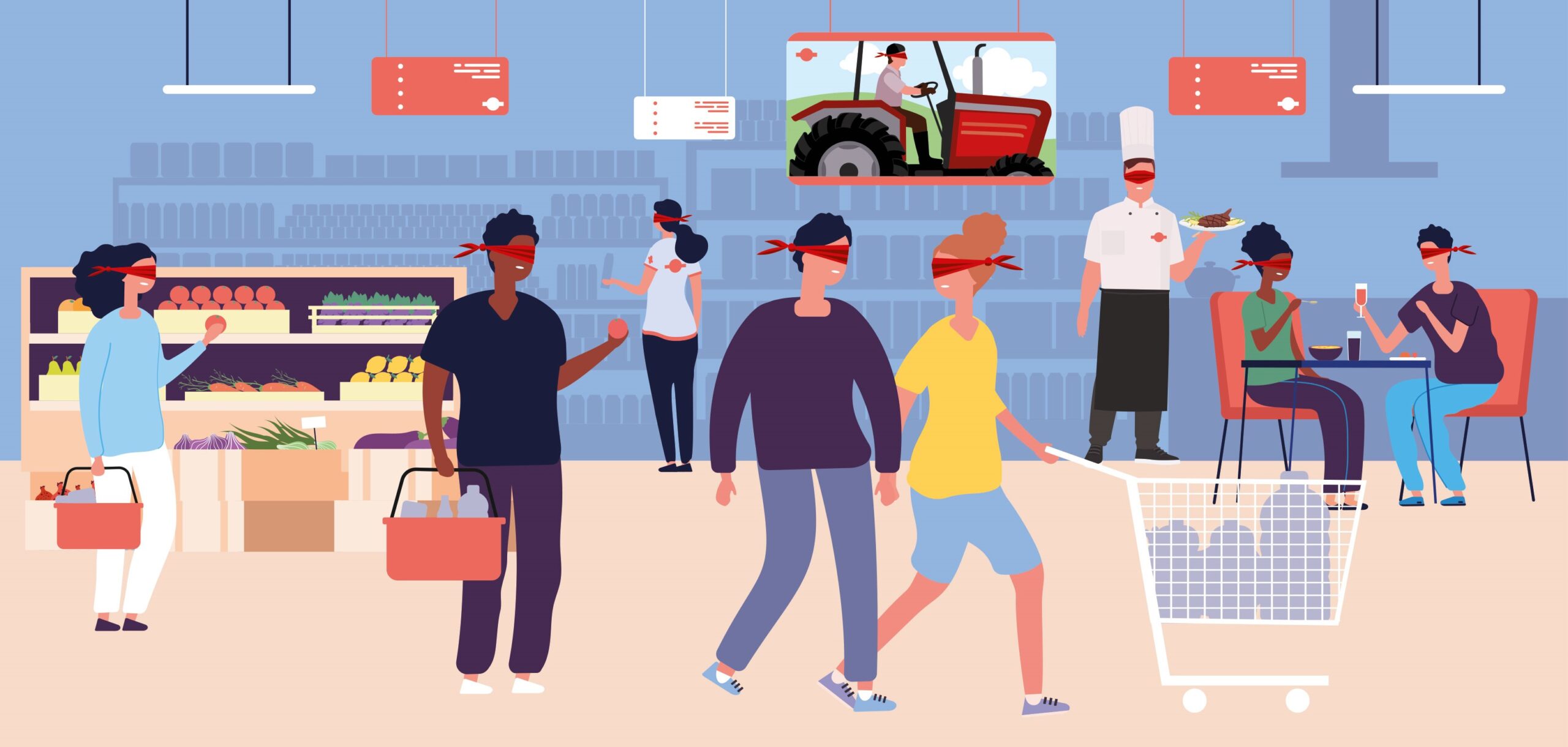
We think people should be able to choose what kind of food they buy. You might choose organic because you care about soil health. You might care about biodiversity. You might want food produced without synthetic pesticides or genetic engineering. Or you might simply trust the standards behind the organic symbol.
Whatever your reason, you should be able to make that choice with confidence.
That’s why the Soil Association is calling for mandatory labelling and full supply-chain traceability for gene-edited food, alongside measures to protect organic and non-GM farming.
We think that’s important.
If something changes the way our food is produced, it should be clearly labelled. People should know what they are buying.
Organic farmers are already doing a lot of the work
There’s sometimes a tendency to talk about new technologies as if they’re the only way to tackle the challenges facing food and farming.
We don’t see it that way.
The Soil Association points to organic and agroecological farming as established approaches that can improve soil health, strengthen ecosystems and biodiversity, build resilience to climate shocks and reduce reliance on external inputs.
These aren’t new ideas.
Farmers have been building healthy soils, rotating crops, supporting biodiversity and working with nature for generations. We think they deserve investment, attention and support.
So what does this mean for us?
It means carrying on doing what we’ve been doing.
Choosing organic. Supporting organic farmers and producers. Working with suppliers we trust. And giving you a good range of certified organic food to choose from.
We’re proud that organic is at the heart of Infinity Foods. It’s one of the reasons the shop exists in the first place.
The rules around genetic technology may be changing – Our standards aren’t.
We’ll keep choosing food produced in a way that looks after the soil, supports nature and gives you a clear choice about what goes in your basket.
Good food isn’t just about what’s on the plate – It’s about how we grow it.
* If you want to find out more about how the law is changing visit GM Freeze and the Soil Association
there’s a better way to shop